MedicareWell

Foods for Strengthening Bones and Joints Naturally for Lifelong Health

As you grow older, your bones demand a more nutrient-rich diet to boost your strength. Therefore, it is essential to improve your diet as you age with foods for strengthening bones in your everyday meal items. This is not only important to help you through everyday activities but is a significant element towards lifelong health. 

Building strong bones is not just a concern for the elderly. However, it is equally important for young children and teens. Your skeleton is a living, breathing organ system that constantly remodels itself. Therefore, from asking the query what are the calcium rich foods to what builds the bone mass is important to know, along with the nutrients you put on your plate today, determine the structural integrity of your body tomorrow.

Start The Foundation with Calcium-Rich Foods

When choosing foods for strengthening bones, know that calcium is the primary structural component of bone tissue. Essentially, about 99% of the body’s calcium is stored in our bones and teeth. When you don’t consume enough, your body borrows it from your bones to maintain heart and muscle function, leading to thinning and brittleness.

The following are a few calcium-rich foods that must be part of a daily diet:

Dairy Products: The Bone Building Foods

In terms of, what are the calcium-rich foods, know that milk, yogurt, and cheese remain the most bioavailable sources. One cup of yogurt can provide nearly 30% to 40% of your daily needs.

Calcium-rich dairy products and eggs, key foods for strengthening bones

The Leafy Green Bone Strengthening Foods Alternative

These are the most prominent bone-strengthening food items. If you avoid dairy, look to greens like kale, bok choy, and collard greens. However, one should avoid relying on spinach for calcium. While it is high in minerals, it also contains oxalates, which make it a food containing calcium that prevents your body from absorbing it.

Canned Fish

Sardines and canned salmon (with the soft bones included) are also considered food good for bones. The tiny, edible bones are packed with easily absorbable calcium.

Foods that Promote Bone Health and Regulate Your Body With Vitamin D

When managing your diet with foods for strengthening bones, know that without Vitamin D, your body can only absorb about 10% to 15% of the calcium you eat. Vitamin D acts as the key that opens the door for calcium to enter your bloodstream. 

For a vitamin D bone-strengthening diet, opt for the following food items in your daily routine: 

Oily Fish

Food for bone strengthening also includes salmon, mackerel, and trout, which are among the few natural food sources.

Fortified Foods

Since it is hard to get enough through food alone, many manufacturers add Vitamin D to orange juice, cereal, and plant-based milks. These are all foods that support bone health.

The Sunshine Vitamin

When looking for foods for strengthening bones, know that your skin produces Vitamin D when exposed to UV rays. However, depending on your latitude and season, a supplement is often recommended by health professionals during the winter months.

Add the Vitamin K Body Glue

When you are pondering the question of how to strengthen bones and joints naturally, know that if calcium is the brick, Vitamin K is the mortar. Specifically, Vitamin K2 activates osteocalcin, a protein that binds calcium to the bone matrix. Without it, calcium may end up in your arteries (causing calcification) rather than your skeleton.

Best Sources

In the search for foods for strengthening bones, vitamin K can be found in fermented foods like natto (a Japanese soy dish). In addition, you can also get it from certain aged cheeses.

Green Support

Leafy green vegetables are another source of vitamin K, like Brussels sprouts and broccoli. These are a source of good food for strong bones and joints as they are rich in Vitamin K1, which the body can partially convert to K2.

Magnesium: An Important Body Stabilizer

When looking for foods for bone health, you must be aware that about 60% of the magnesium in your body is stored in your bones. It helps regulate calcium levels and is essential for converting Vitamin D into its active form. A magnesium deficiency can actually make your bone crystals smaller and more brittle.

Magnesium-Rich Foods

Food for strengthening bones that provide magnesium to the body are pumpkin seeds, almonds, cashews, and spinach.

Whole Grains

Grains are another beneficial source of magnesium. You can opt for quinoa and brown rice in your daily diet for the significant benefits.

Intake Potassium for Added Bone Density

Foods for strong bones and joints are equally essential for the growing body. However, the modern diet is often high in salt and processed proteins, which can create an acidic environment in the body. To neutralize this acid, Potassium acts as a natural buffer, protecting your bone density.

Top Foods with Potassium

On how to strengthen bones and joints naturally, opt for sweet potatoes (with the skin), bananas, avocados, and white beans.

Prunes

Foods that promote bone health also include prunes. Research has shown that eating 5 to 10 prunes a day can significantly improve bone mineral density in postmenopausal women.

Maintain Your Diet with Foods that Strengthen Your Bones

Know more

Protein and Vitamin C: Important Sources for Bone Strengthening Diet

In the search for foods for strengthening bones, it is important to balance proteins and vitamin C sources in the body as well. 

Protein

Bone is roughly 50% protein by volume. Lean proteins like poultry, beans, and tofu provide the amino acids necessary for the collagen matrix that gives bones their flexibility.

Vitamin C

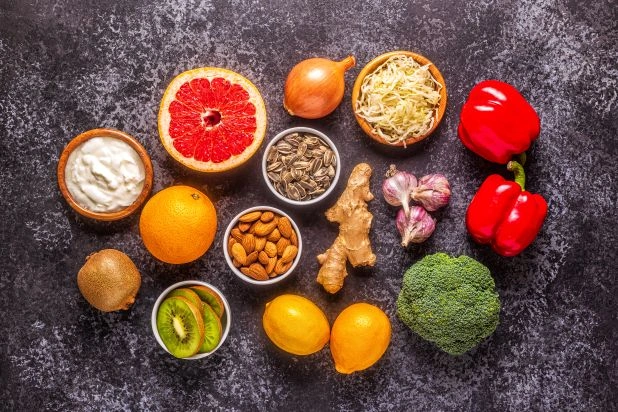
This vitamin is vital for collagen production. Citrus fruits, bell peppers, and strawberries are good sources of bone-strengthening foods. 

In The End

Foods for strengthening bones maximize the nutrients you are eating, along with weight-bearing exercise. Both youngsters and seniors must be aware of the fact that walking, jogging, and lifting weights create micro-stress on the bone, which triggers the body to deposit the minerals you have consumed into the skeletal frame. Therefore, by combining a nutrient-dense diet with regular activity, you are building a stronger, more mobile version of yourself.

Why Choose MedicareWell?

MedicareWell helps you understand when and how to manage your Medicare plan while supporting your overall health and fitness. We provide reliable insights into wellness, nutrition, and healthy living so you can make confident healthcare decisions and stay active. Our trusted information further ensures you make informed choices about your health.

FAQs

People often ask, does milk actually make your bones stronger? So yes, it is also a dairy like others. While dairy is a convenient source, many other foods are rich in calcium. Canned sardines and salmon (with bones), calcium-set tofu, and fortified plant milks often provide as much calcium per serving as a glass of cow’s milk. In addition, leafy greens are also excellent, though you need to eat larger volumes to match the calcium content of dairy.

In terms of how to strengthen your bones, diet can significantly slow down bone loss and, in some cases of early-stage thinning (osteopenia), help improve density when combined with weight-bearing exercise. However, once osteoporosis is established, diet usually acts as a supporting player to medical treatments prescribed by a doctor. 

In terms of food for strong bones and joints, caffeine can slightly decrease calcium absorption. If you drink more than 3 cups of coffee a day, it’s important to ensure you’re getting enough calcium elsewhere in your diet to compensate. Adding a splash of milk to your coffee can also help offset the small amount of calcium lost.

It is more challenging because natural Vitamin D is mostly found in animal products like fatty fish and egg yolks. Vegans should look for UV-treated mushrooms, fortified cereals, and fortified orange juice, which are also considered bone strength increasing foods. Because food sources are limited, many experts recommend a Vitamin D3 supplement (especially those derived from lichen for a vegan-friendly option).

High sodium intake causes your kidneys to excrete more calcium through your urine. If your blood calcium levels drop because you’re losing it through salt, your body will pull calcium out of your bones to compensate. Reducing processed food intake is the fastest way to lower hidden salt.

Image Ad

Hello! This is Customer Support

Feel free to contact us and we will provide you with information and guidance

Wherever the art of Medicine is loved, there is also a love of Humanity