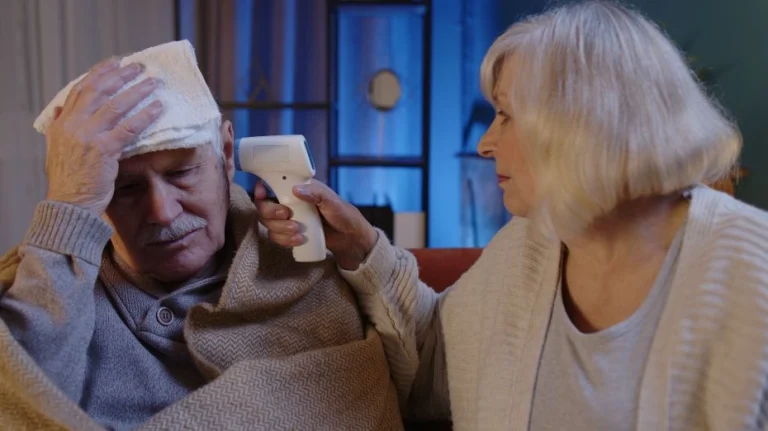
As the weather starts changing, millions of people living with arthritis feel it in their bones. This makes the answer to the query, Does cold weather affect arthritis, a big yes. Notably, the winter ache in the elderly can be a storm of pain for them. For many, the connection between a cold snap and a flare-up of joint stiffness is a seasonal reality.
However, people often wonder what the science is behind arthritis in cold weather. Therefore, common questions like Does the cold actually damage your joints, or is it a trick of the mind often occur in the minds of caregivers and adults. In this guide, we’ll explore why cold weather affects arthritis and how you can reclaim your mobility when the frost sets in.
While researchers are still debating the exact why of does cold weather affect arthritis. Know that several leading theories explain why your joints might feel like they need an oil change the moment winter arrives.
This is the most widely accepted scientific explanation of cold weather joint pain. Before a cold front or a storm hits, the atmospheric pressure (barometric pressure) drops.
Joints hurt when cold air pressure around your body increases, allowing your body’s tissues to slightly expand.
In a healthy joint, this expansion is negligible. However, arthritis and cold weather lead to the expansion of tendons, muscles, and scar tissue, which can put extra pressure on the joint, leading to increased pain.
Think of the synovial fluid in your joints like the motor oil in a car. Its job is to lubricate the joint and shock-absorb your movements. Both cold weather and joint pain can make these fluids more viscous (thicker). Essentially, thicker fluid doesn’t flow as easily, which can lead to that morning stiffness.
When people ask Does cold weather affect arthritis, know that cold weather can increase the sensitivity of nociceptors (pain receptors). In chronic conditions like osteoarthritis or rheumatoid arthritis, the nerves surrounding the joint are already on high alert. Moreover, low temperatures can lower your pain threshold, making a level of inflammation that was manageable in the summer feel unbearable in the winter.
Body pain due to cold weather can lead to the following:
On elaboration of the query does cold weather affect arthritis, know that you must be aware of the following common seasonal shifts:
Cold weather and pain can take longer to get going in the morning.
Cold weather pain can lead to difficulty in fully extending your knees or closing your fists.
A dull, deep winter body pain that seems to radiate from the center of the joint can limit your movements.
While heat usually causes swelling, sore knees from cold weather can cause joints to feel tight or puffy.
In terms of does cold weather affect arthritis, know that by managing your internal environment and your habits, you can significantly dampen the impact of the cold.
Body aches with cold weather can be managed by keeping your joints warm is the first line of defense. Focus on your extremities:
Weather and arthritis require seniors to wear thermal socks and gloves. For those with RA in the hands, compression gloves can provide both warmth and support.
When people ask is cold weather bad for arthritis, know that yes it is bad. Therefore, you need to keep your organs warm. Keeping your torso warm helps maintain blood flow to your knees and hands.
For the question of can cold weather cause body pain, it is recommended not to wait for the pain to start before you warm up.
People often also ask is heat good for arthritis, know that yes, it is good. Therefore, it is recommended that you use these for 15–20 minutes in the morning to thaw out stiff joints.
Does the weather affect arthritis, yes even the temperature of the water in your bath. Therefore, a soak in Epsom salts can do wonders for systemic joint pain.
When people ask why do my joints hurt in the cold, know that it is also because of less moisture. Therefore, adding paraffin wax can prove beneficial for those with arthritis in the fingers and wrists.
The best climate for arthritis is usually the warmer one as you stay more hydrated. This is less common in winter. Therefore, seniors are recommended to stay hydrated by keeping a thermos of warm herbal tea nearby to stay hydrated and warm simultaneously.
Motion is lotion. When seniors ask does humidity affect arthritis, know that yes, it will if you do n ot engage in exercises. If it’s too icy to walk outside, try:
Seniors also often ask Does low vitamin D cause joint pain, know that yes as in the winter, we get less sunlight, which often leads to a drop in Vitamin D. Low levels of Vitamin D have been linked to increased joint and muscle pain. Therefore, talk to your doctor about a supplement during the darker months.
Do Not Let the Cold Weather Affect Your Mobility
Know moreFurther, in terms of does cold weather affect arthritis, know that while seasonal discomfort is common. However, you must consult your rheumatologist or GP if you experience:
Cold weather pain is usually cold pain. If a joint is hot to the touch, it may indicate an infection or an acute inflammatory flare.
If the swelling doesn’t go away with rest and warmth.
This could indicate nerve compression rather than simple joint stiffness.
For the query of does cold weather affect arthritis, know that the connection between cold weather and arthritis isn’t a myth. This is a biological response to environmental changes. While we can’t control the forecast, we can control how we prepare for it. However, by staying warm, staying active, and understanding why your body is reacting this way, you can turn the winter ache into a manageable part of the season.
MedicareWell guides you through when and how to manage your overall well-being. In addition, it also helps you work towards a more a healthier, more active lifestyle. We offer dependable insights on wellness, nutrition, and healthy living to help you make informed healthcare decisions with confidence.
Arthritis can get worse due to joint overuse, lack of movement, excess weight, poor posture, cold or damp weather, stress, and inflammation from an unhealthy diet.
Yes, cold weather can make arthritis feel worse by causing joints and muscles to stiffen. In addition, it reduces blood flow, increasing pain, swelling, and discomfort, especially when movement is limited.
Osteoarthritis and rheumatoid arthritis are most commonly worse in cold weather, as low temperatures can increase joint stiffness, pain, and inflammation.
Yes, cold weather can make arthritis worse, especially osteoarthritis and rheumatoid arthritis, by increasing joint stiffness, reducing circulation, and making movement more painful.
Arthritis is usually worse in winter because cold temperatures and lower air pressure increase joint stiffness and pain. Some people, however, may feel worse in hot, humid summer weather due to swelling.





Wherever the art of Medicine is loved, there is also a love of Humanity
- Hippocrates Tweet
Sign up for my newsletter to see new photos, tips, and blog posts.