
Fast cascades can make one spin feel like a continuing event, particularly when several wins arrive before the grid settles. Sweet Bonanza uses this structure, so understanding its pace matters before choosing a stake or session length. The sweet bonanza game can be useful for reviewing the format and rules, but the important decisions happen around it: how much to risk, when to pause, and which account controls are available through the hosting casino.

Why the Tumble Feature Can Distort Your Sense of Time
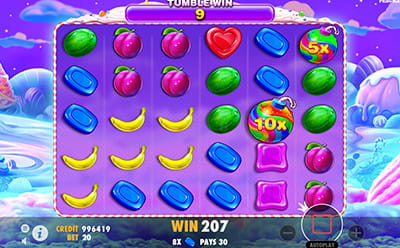
The Tumble feature removes winning symbols, drops the remaining symbols and fills empty spaces with new ones. If another winning combination appears, the sequence continues within the same paid spin. Although the stake is normally attached to the original spin rather than each individual tumble, repeated visual activity can make the round feel longer and more significant than it is.
This design can also encourage a player to treat connected wins as evidence that a larger result is about to arrive. That is not a reliable conclusion. Each new arrangement is still governed by the game’s rules and random outcomes, and a long sequence does not make another long sequence more likely. A multiplier, a retrigger or a large tumble win is possible, but none should be treated as expected income.
A practical response is to judge the session by money and time rather than by the number of cascades. Decide in advance how long you will play and how much you are prepared to lose. If the game’s animation or pace makes that decision difficult, lowering the stake, turning off optional speed settings or taking regular breaks can restore a clearer view of the session.
Set a Stake Before the First Spin
A useful limit begins with a fixed entertainment budget, not with the amount sitting in a casino balance. Choose a sum that will not affect rent, food, bills, debt payments or other commitments. Once selected, divide it into a reasonable number of spins or short sessions. This makes the cost of continuing visible before excitement or frustration begins to influence the decision.
Stake size should remain small enough that an ordinary losing run does not create pressure to recover money. A win does not justify increasing the stake automatically, and a loss does not create an obligation to chase it. If the available game settings offer several denominations, select one that leaves room for pauses and does not consume the full budget quickly.
Account-level controls can support this plan where the operator provides them. These may include deposit limits, loss limits, session reminders, cooling-off periods or self-exclusion. The specific controls, waiting periods and activation process belong to the casino and may depend on the rules applying in the player’s province. Read the operator’s stated terms carefully rather than assuming every account offers the same tools.
Check Which Controls Apply to Your Session
Not every setting visible in a slot interface is a responsible-gambling tool. Sound, animation speed, Quick Spin and Autoplay can change how the game feels, but they do not necessarily restrict spending. Autoplay may include stop conditions such as a balance change, a feature trigger or a selected number of rounds, yet the available options depend on the casino’s implementation.
Before playing, look for the account’s safer-gambling or player-protection area as well as the game’s information menu. Confirm whether the control is a firm limit, a reminder or merely an optional preference. Also check when a new limit takes effect. Some operator-level controls may be immediate, while others can involve a delay or require customer support.
For broader Canadian information about gambling-related support and safer play, consult Canada’s responsible gambling information. This does not confirm the features, rules or availability of any particular casino. It is a separate public-information resource that can help explain risk awareness and where to seek assistance if gambling stops feeling recreational.
Do Bonus Features Change the Risk?
The built-in Free Spins round is part of the game’s design, while promotional free spins are created by the casino. Keeping those two ideas separate prevents a common misunderstanding. A promotional offer may have wagering requirements, expiry rules, maximum-bet conditions or other restrictions, none of which automatically belong to the slot’s standard rules.
The original rules describe an initial group of free spins, with additional spins possible when enough Scatter symbols appear. Multiplier bombs can also appear during the feature, and values from a tumble sequence are combined before being applied to that sequence’s win. These mechanics can produce a dramatic result, but they do not remove the underlying possibility of losing the stake used to reach the feature.
Optional purchasing or enhanced-chance settings deserve extra caution because they can change the cost of participation. The documented version may offer a Bonus Buy priced at 100 times the selected base bet, while an Ante Bet-style option may increase the stake to improve the chance of triggering Free Spins. Availability varies by operator and jurisdiction. Treat such settings as separate spending decisions, not as shortcuts to safer play.
Use Results and Records to Decide When to Stop
Game history can help replace memory with facts. If the interface provides round records, review the session after a pause rather than relying on the excitement of individual wins. The casino account may also contain longer session or transaction information. Compare the total amount spent with the original budget, and note how long the session has lasted.
A stop rule should be specific enough to follow without negotiation. Examples include ending when the planned time expires, when the budget is used, when a preset loss limit is reached or when concentration starts to fade. A win-based stopping point can be used as an additional preference, but it should not become a reason to keep playing until the winnings disappear.
Warning signs include borrowing to continue, hiding play from family, repeatedly raising stakes, playing to recover losses or feeling unable to stop after deciding to do so. If any of these appear, do not rely only on willpower or a game setting. Use available account restrictions, contact the operator about its support process and seek independent help. Gambling should remain discretionary entertainment, never a plan for paying regular expenses.
Questions Players Often Ask
Does a long tumble sequence mean another win is due?
No. A tumble sequence can create several wins from one paid spin, but it does not establish a pattern for the next spin. Each new result remains uncertain. Treat the feature as part of the game’s presentation and mathematics, not as a signal that a bonus, multiplier or recovery win is about to happen.
Can Autoplay replace a spending limit?
No. Autoplay may stop under selected conditions, but it can still use the planned balance before the player notices. It is an operating preference rather than a complete financial safeguard. If used at all, combine it with an account-level limit, a short time window and a stake that fits the predetermined entertainment budget.
Who controls deposit and loss limits?
The casino hosting the slot controls account-level deposit, loss, cooling-off and self-exclusion tools. The game itself does not process deposits or withdrawals and does not set the operator’s account restrictions. Check the casino’s current responsible-gambling terms, including activation delays and provincial conditions, before relying on a particular control.